Leveraging GLP-1 Medications to Retrain the Brain’s Reward System for Longevity, Long-term Wellness and Weight Management.
Its Essential to Provide Supportive Therapy Designed to Retrain the Reward Center of the During GLP-1 Therapeutic Intervention.
Nearly 1 in 8 adults in the US have used a GLP-1 medication for metabolic conditions and/or weight management [1]. Across our mental health practice, particularly for participants in the BreakThrough! Course for Mental and Metabolic Health Recovery, the most often-voiced concern is that clients fear they will regain weight when they stop GLP-1 use. And… they’re right to worry! While GLP-1RAs may improve emotional eating in the short term, the underlying emotion regulation deficits often remain unaddressed.
Current trends regarding the discontinuation of GLP-1RAs grow increasingly grim. Discontinuation is associated with significant rebound in body weight, waist circumference, glycemic control (HbA1c, fasting plasma glucose), SBP, and lipid profiles among patients with obesity [2]. The proportion of weight regained is proportional to the amount originally lost. The extent of rebound weight gain varies by agent, with semaglutide being associated with a greater relapse rate than liraglutide. The rebound in weight and waist circumference following GLP-1RA cessation is both consistent and substantial, with a near-complete reversal of prior improvements within 52 weeks [2].
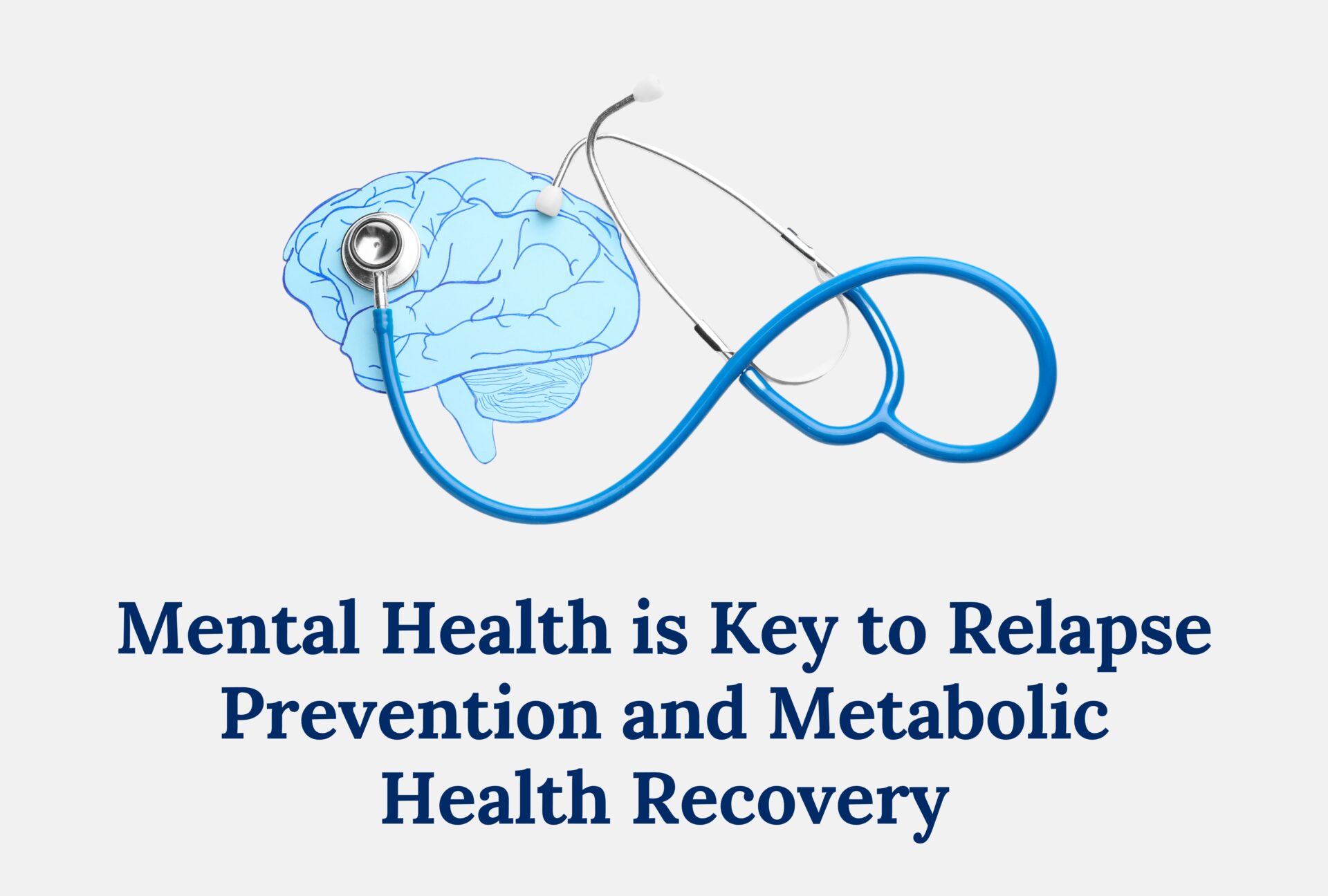
Typically, two barriers to long-term weight loss are reward-driven eating (characterized by a lack of control over eating, a preoccupation with food, and a lack of satiety) and psychological (dis)stress [3]. For long-term recovery this suggests that we have to be helping clients retrain the nutritional and activity reward pathways in their brain while addressing stress and relevant mental health conditions. This work is significant to ultimately overcoming compulsion, unhealthy preferences, and self-defeating behaviors.
Compulsion, Reward Eating and the Science of Addiction [5]
Compulsion is defined as an irresistible urge to behave in a certain way, especially against one’s conscious wishes. Addiction is defined as a brain disorder or disease caused by the repetitive use of various substances or chemicals, which alter the normal functioning of the central nervous system resulting in behavioral abnormalities [4]. These are two very different concepts. Compulsion is a behavior we can observe; whereas addiction is a condition hidden within the brain. We can help clients learn to challenge compulsive behaviors but once they have developed an addiction to a substance that makes them feel better, that learned memory, attached to their pleasure senses, will be there for a long time.
Addiction is often viewed as a negative “end state” that we tend to associate with people suffering with alcohol and other substance use disorders. In some ways this is unfortunate, because there’s a century of research, evidence-based practices, and resources that support successful recovery from substance abuse and dependence. When we compare the criteria for substance addiction there are striking similarities in compulsive behaviors and consequences [5].
- Intense cravings for unhealthy substances and an inability to stop overeating despite negative consequences to one’s health.
- Increased expenses and consequences: long-term medical expenses and hospitalization.
- Shame, remorse, and feelings of hopelessness: the stigma of body image issues and being overweight often lead to social isolation, impact relationships, and give rise to anxiety and depression.
- Recurring desire to consume foods high in sugar and saturated fat even after a lengthy period of abstinence.
When it comes right down to it; consumption of sugar and saturated fats (as well as alcohol) are toxic to our mitochondria and impair our body’s ability to flush or rebuild healthy cells that sustain life and longevity.
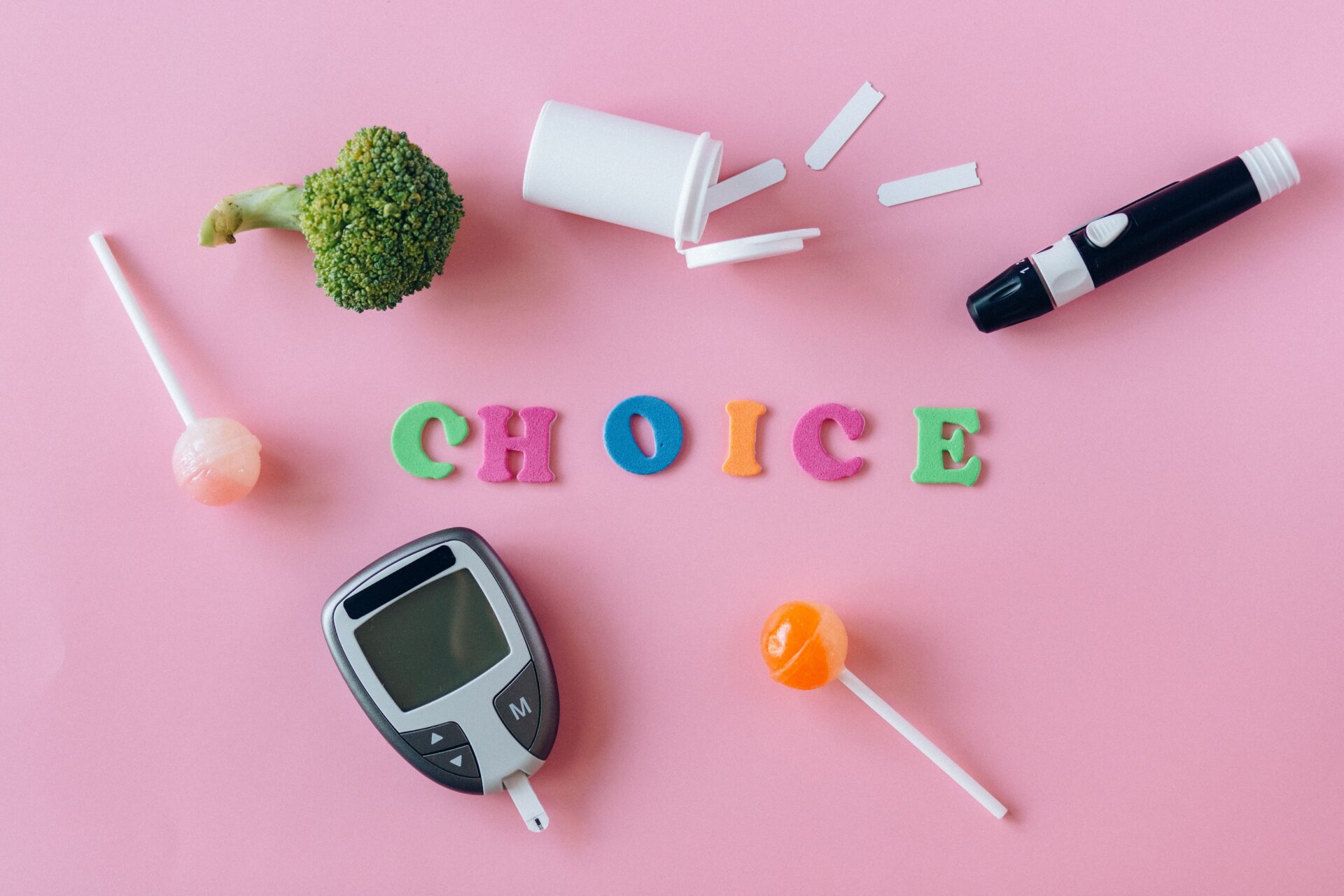
Our forward-facing focus to restoring metabolic function (metabolism) mental health, and a sense of wellness, is to help our participants retrain their perceptions of the reward value of food and beverages as well as lifestyle behaviors that support longevity. In the BreakThrough! Course we keep brain retraining dialog and choice points as simple as possible:
Does “This” Support My Health and Longevity or Not?
Or….
I May Want “This”; But I Don’t Need “This!”
When clients consistently recognize and challenge their impulsive, emotional food pleasure/reward responses with accurate and realistic thoughts, they begin to reduce their unconscious food intake and challenge deep-seated triggers for overeating.
To empower your patients, we hope you’ll take a close look at how BreakThrough! and our innovative resources may be integrated into your organization or practice to help your patients learn to help themselves recover. If you’re ready – contact us for more information and attend one of our virtual presentations.
Dr. Heather Hamilton
Team BreakThrough!
hhamilton@breakthroughwmt.com
References
Harris E. (2024). Poll: Roughly 12% of US Adults Have Used a GLP-1 Drug, Even If Unaffordable. JAMA, 332(1), 8. https://doi.org/10.1001/jama.2024.10333
Berg, S., Stickle, H., Rose, S. J., & Nemec, E. C. (2025). Discontinuing glucagon-like peptide-1 receptor agonists and body habitus: A systematic review and meta-analysis. Obesity reviews : an official journal of the International Association for the Study of Obesity, 26(8), e13929. https://doi.org/10.1111/obr.13929
Mason, A. E., Epel, E. S., Aschbacher, K., Lustig, R. H., Acree, M., Kristeller, J., Cohn, M., Dallman, M., Moran, P. J., Bacchetti, P., Laraia, B., Hecht, F. M., & Daubenmier, J. (2016). Reduced reward-driven eating accounts for the impact of a mindfulness-based diet and exercise intervention on weight loss: Data from the SHINE randomized controlled trial. Appetite, 100, 86–93. https://doi.org/10.1016/j.appet.2016.02.009
Fluyau D, Hashmi MF, Charlton TE. Drug Addiction. [Updated 2024 Jan 10]. In: StatPearls [Internet]. Treasure Island (FL): StatPearls Publishing; 2026 Jan-. Available from: https://www.ncbi.nlm.nih.gov/books/NBK549783/
Yohn, S. E., Galbraith, J., Calipari, E. S., & Conn, P. J. (2019). Shared Behavioral and Neurocircuitry Disruptions in Drug Addiction, Obesity, and Binge Eating Disorder: Focus on Group I mGluRs in the Mesolimbic Dopamine Pathway. ACS chemical neuroscience, 10(5), 2125–2143. https://doi.org/10.1021/acschemneuro.8b00601
Lorem ipsum dolor sit amet, consectetur adipiscing elit. Ut elit tellus, luctus nec ullamcorper mattis, pulvinar dapibus leo.